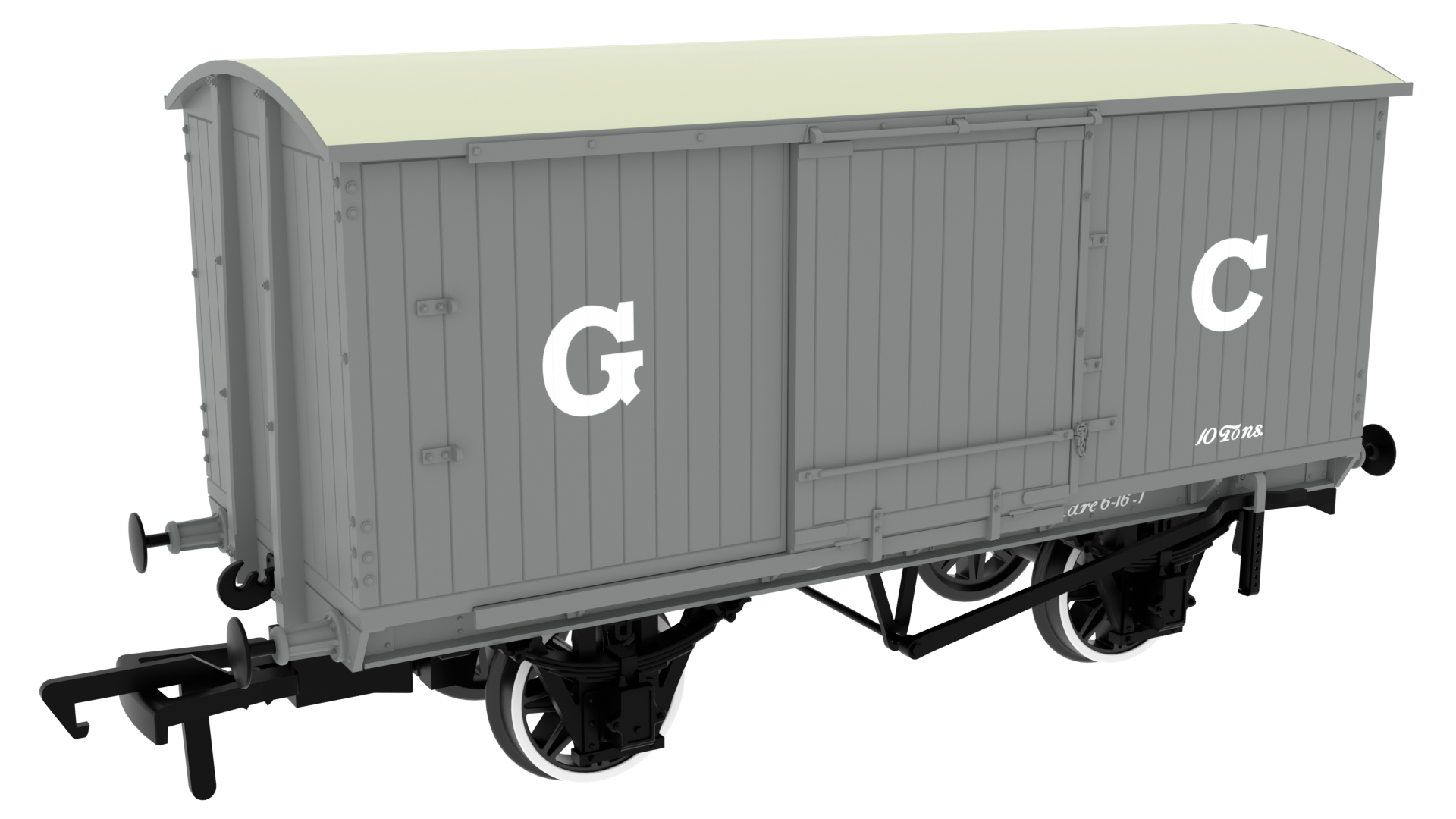
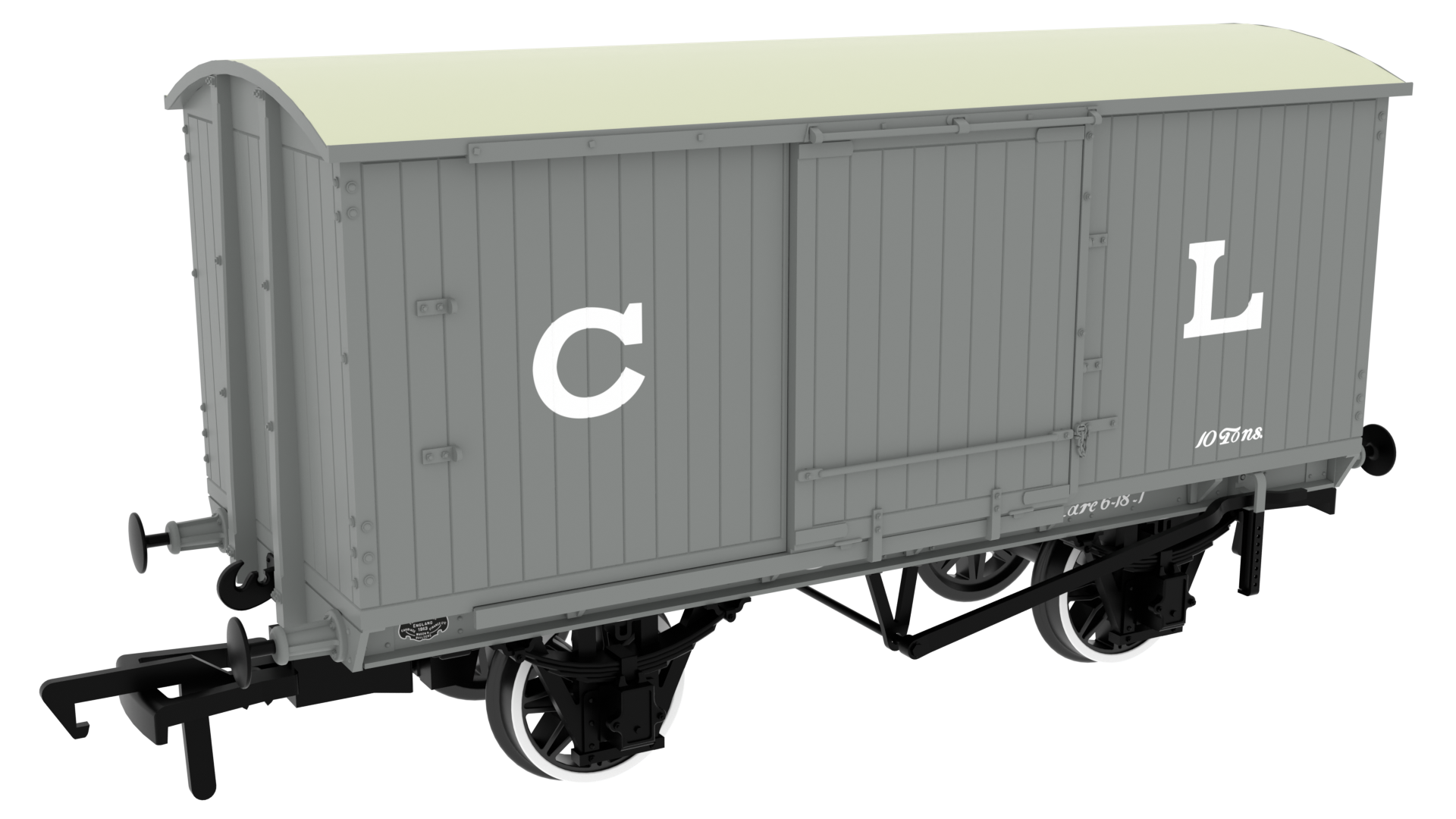
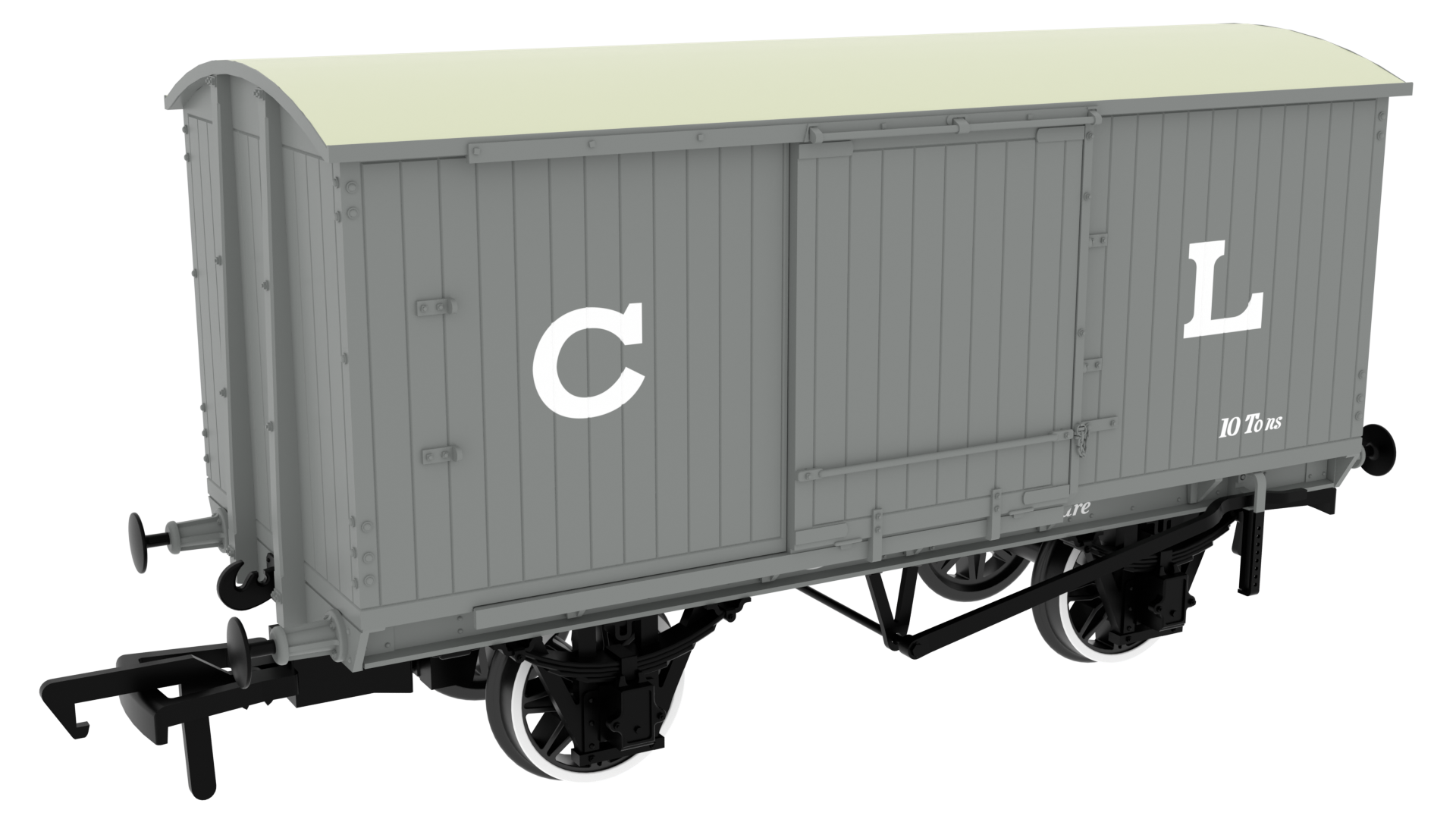
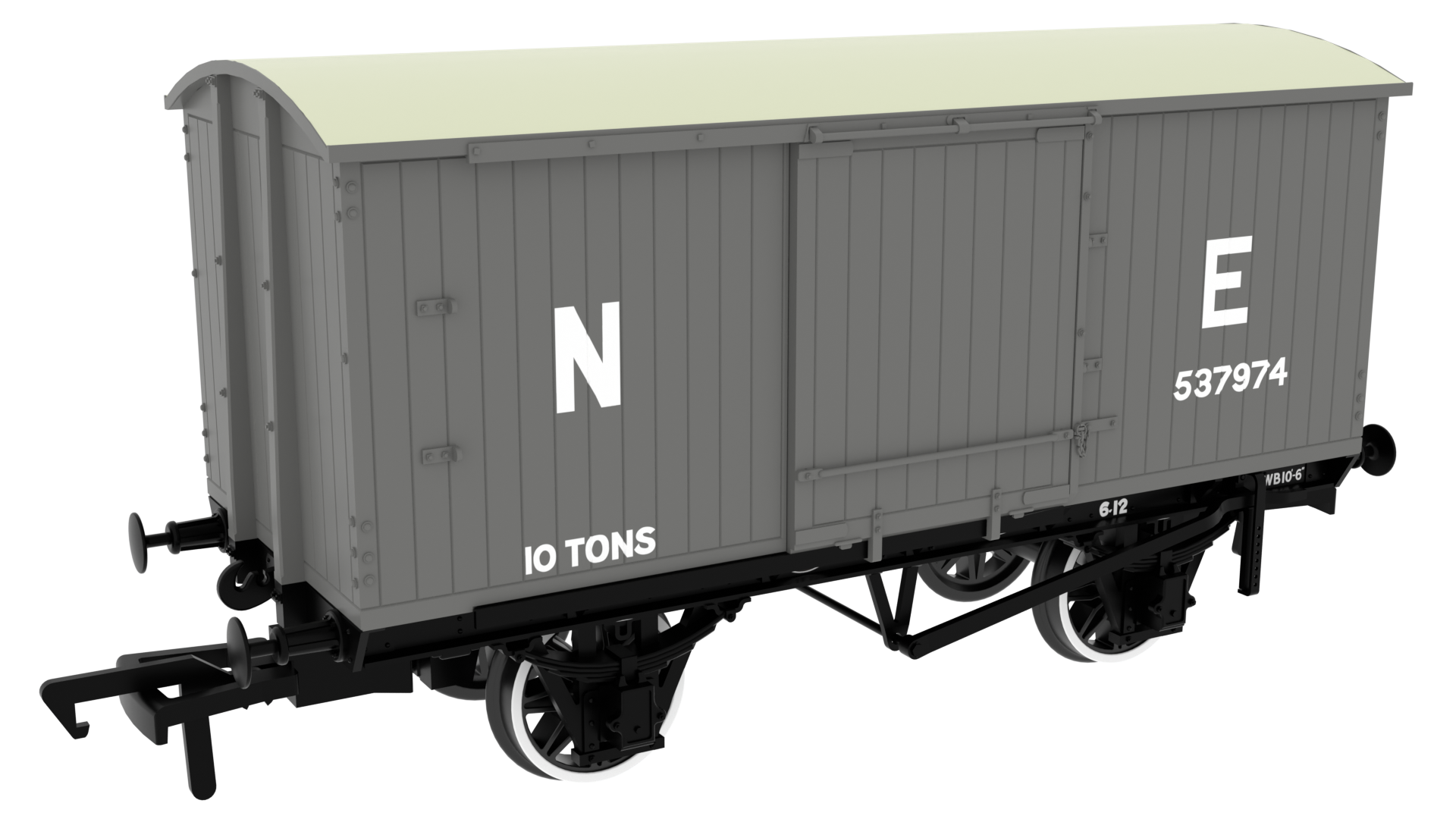
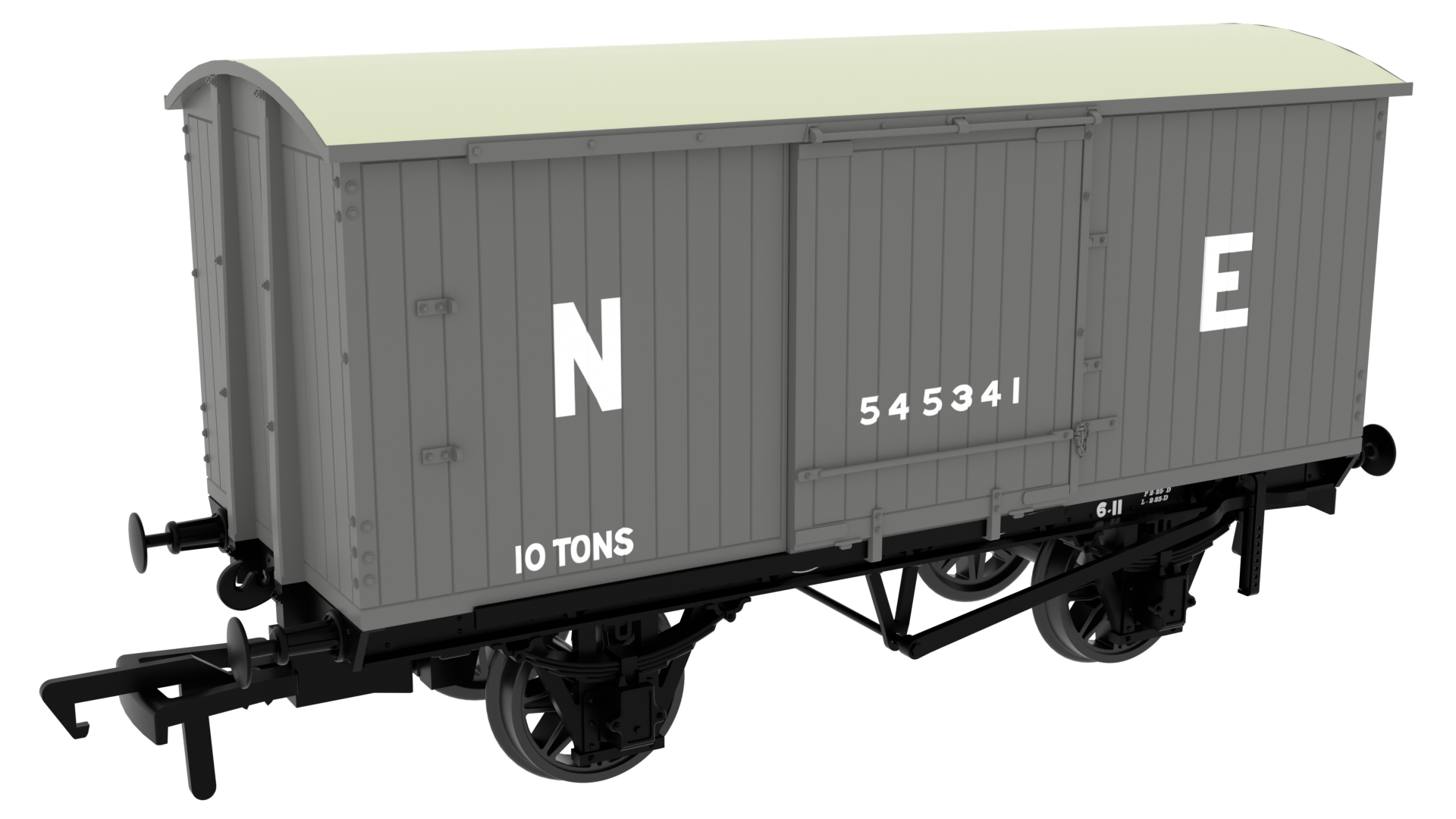
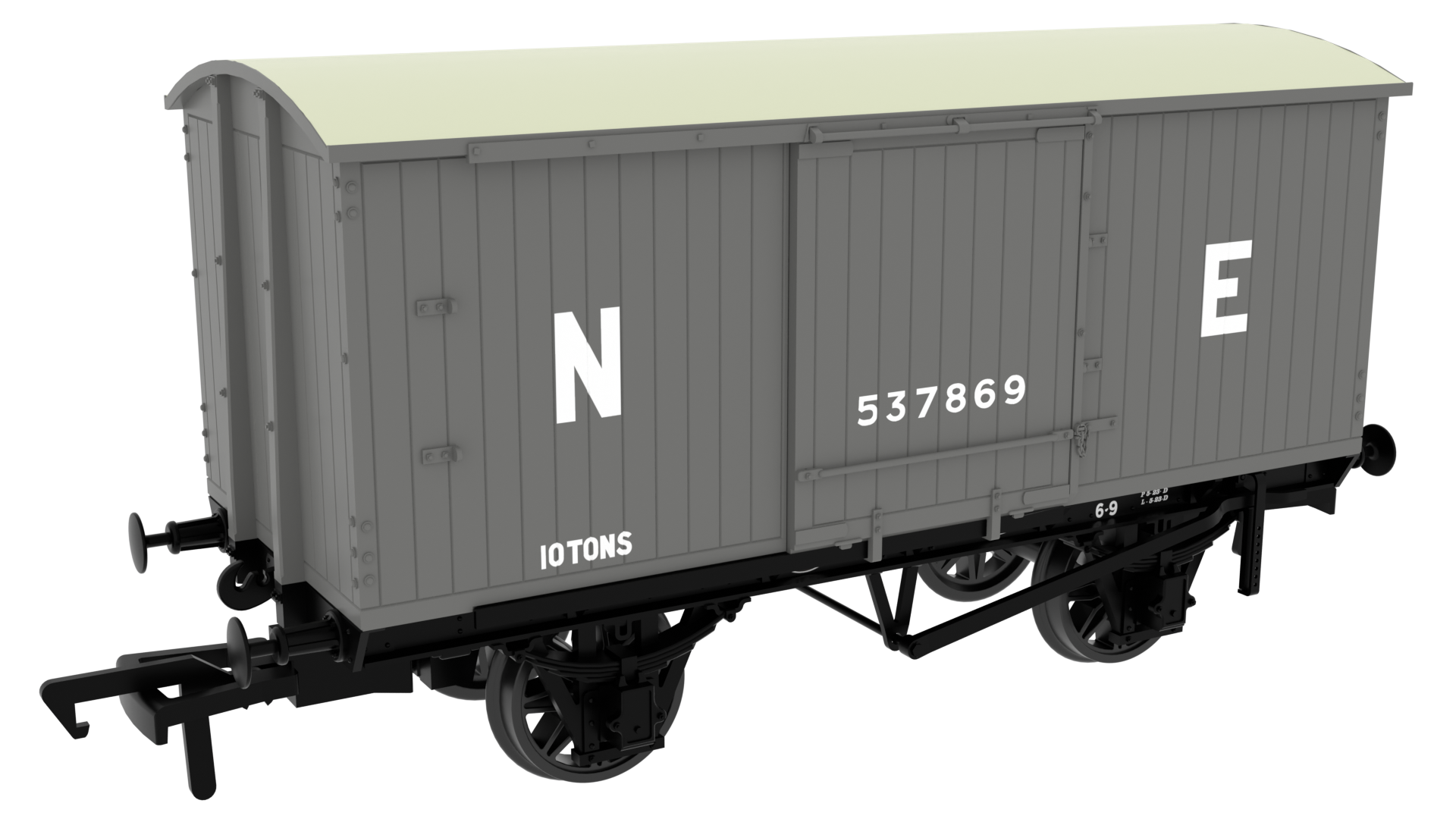
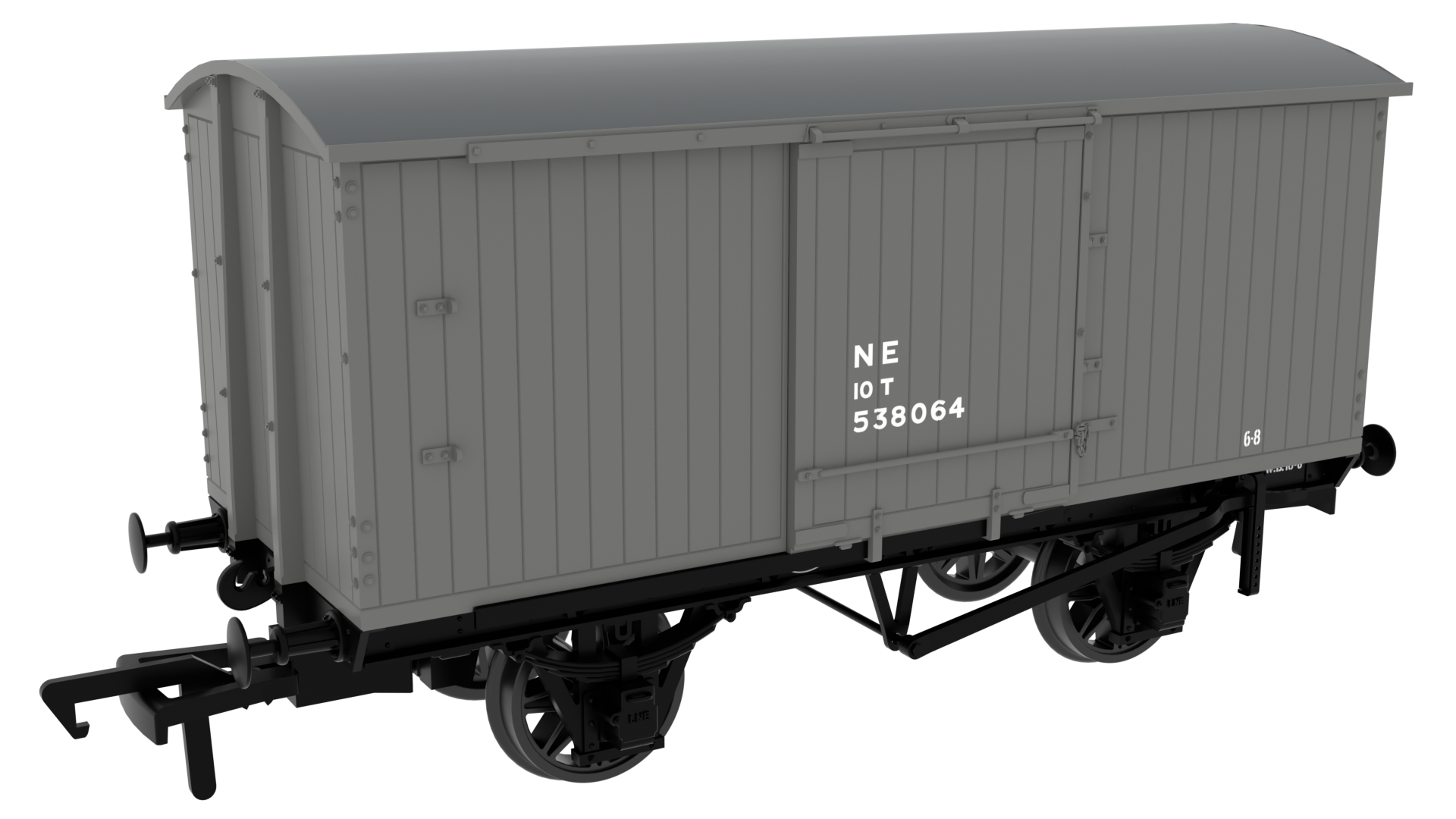
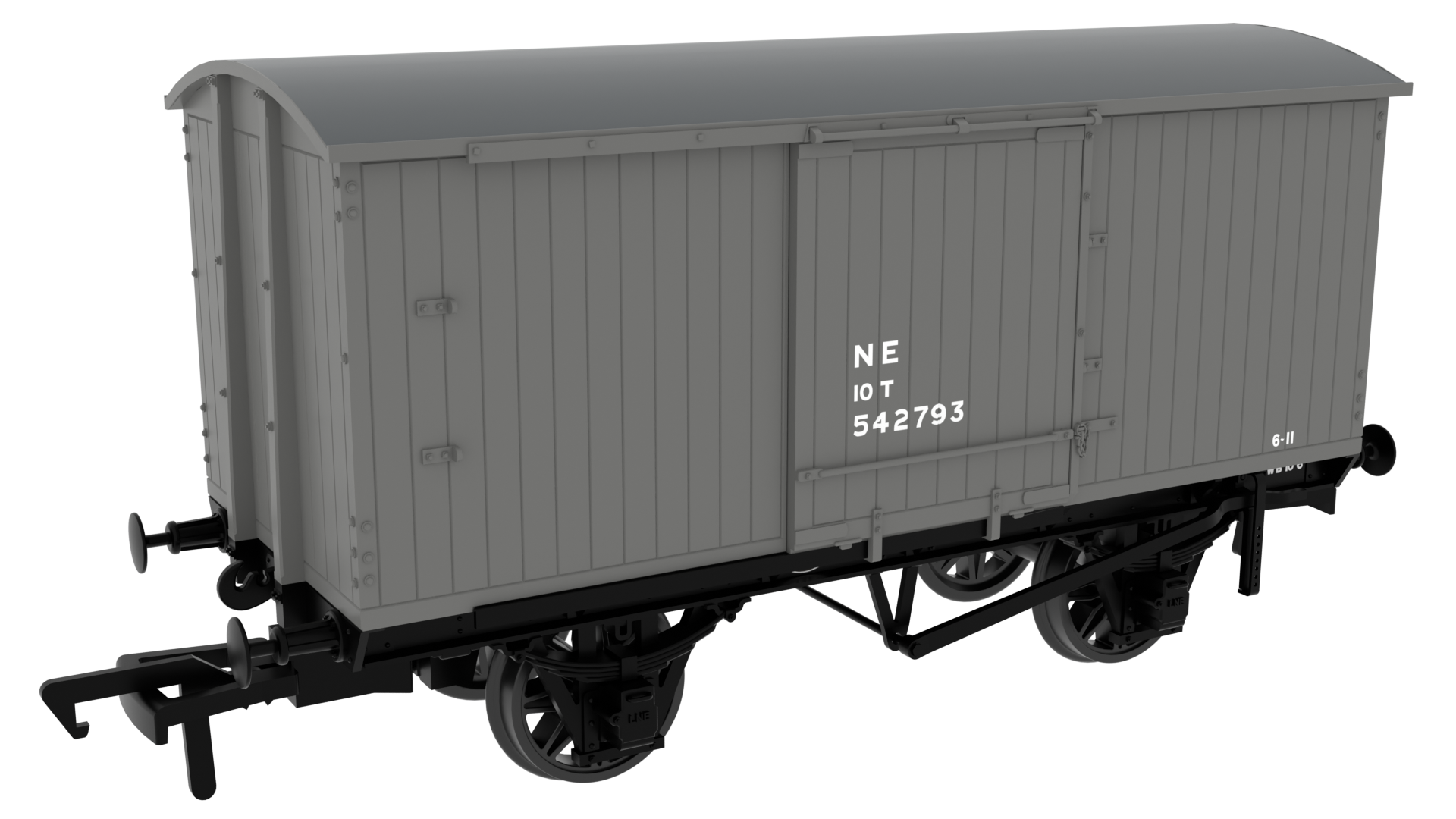
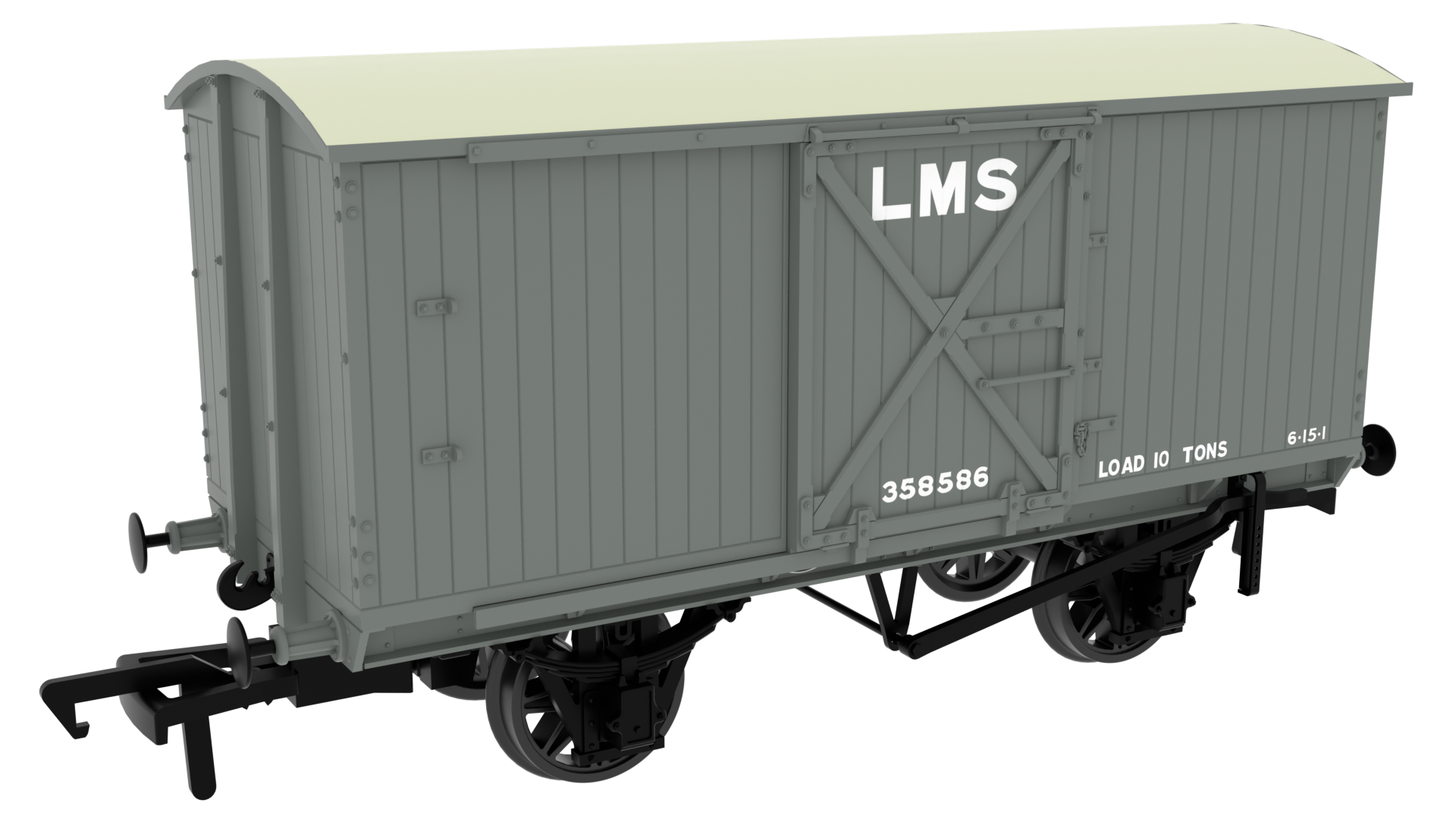
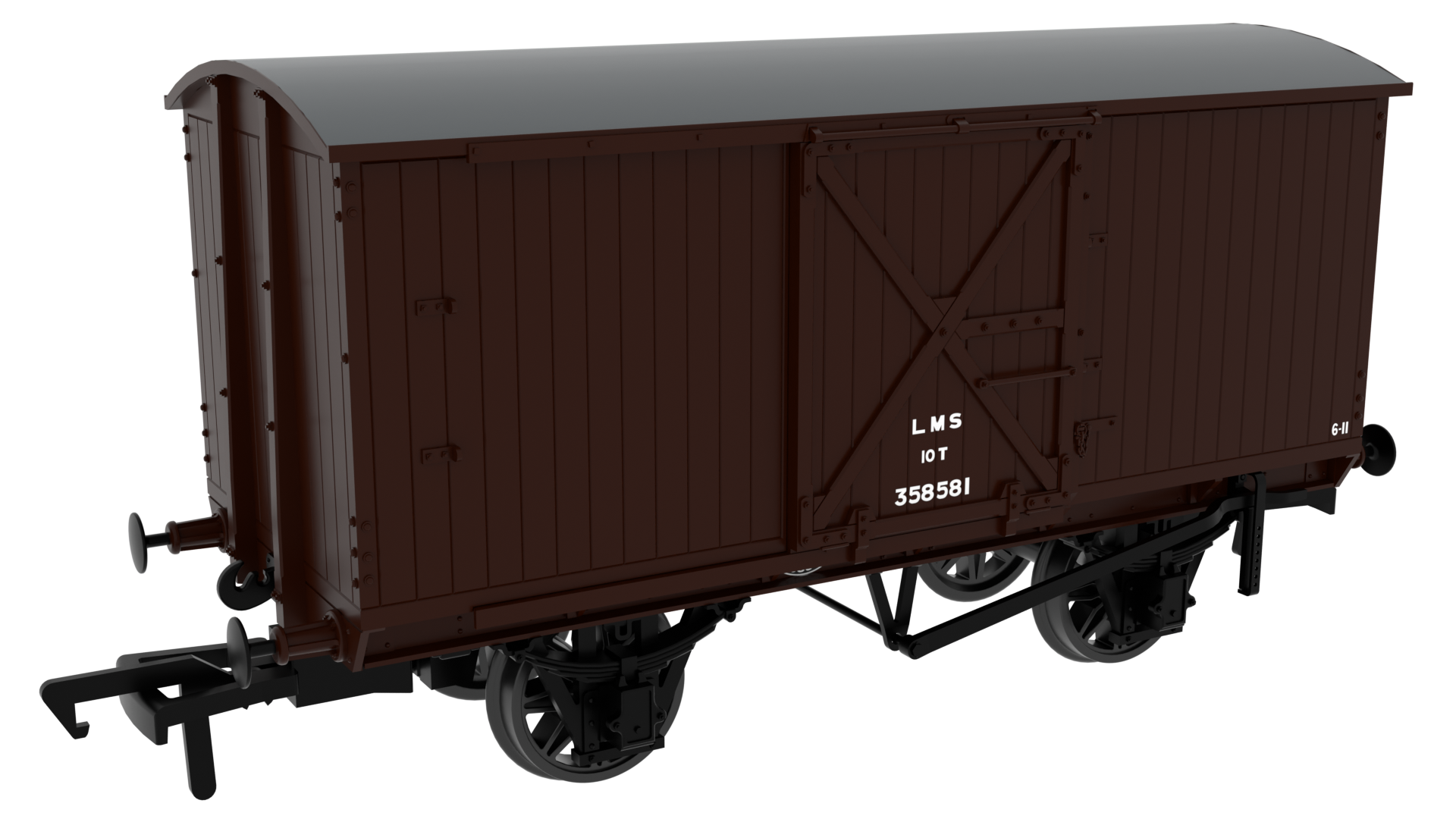
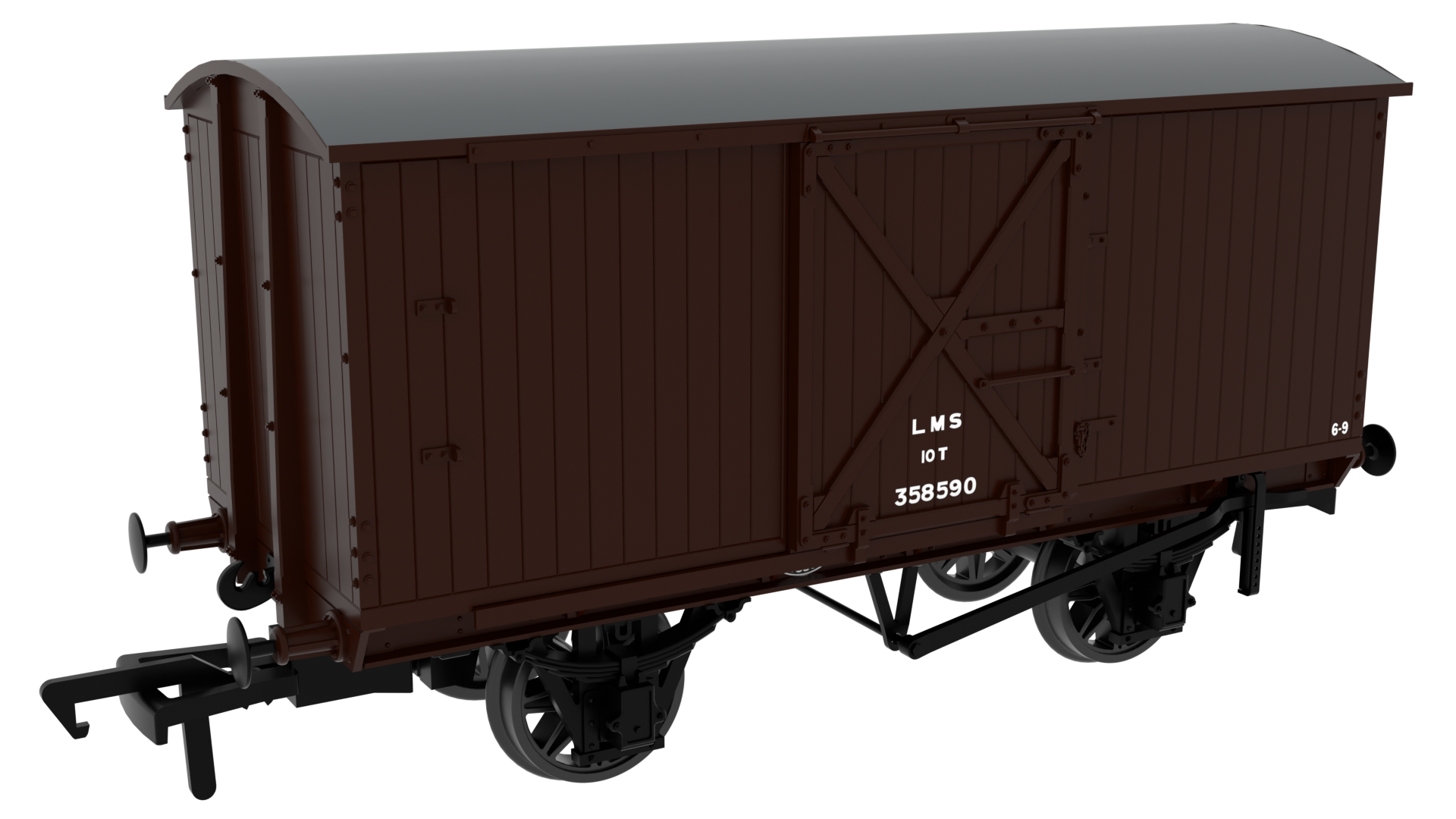
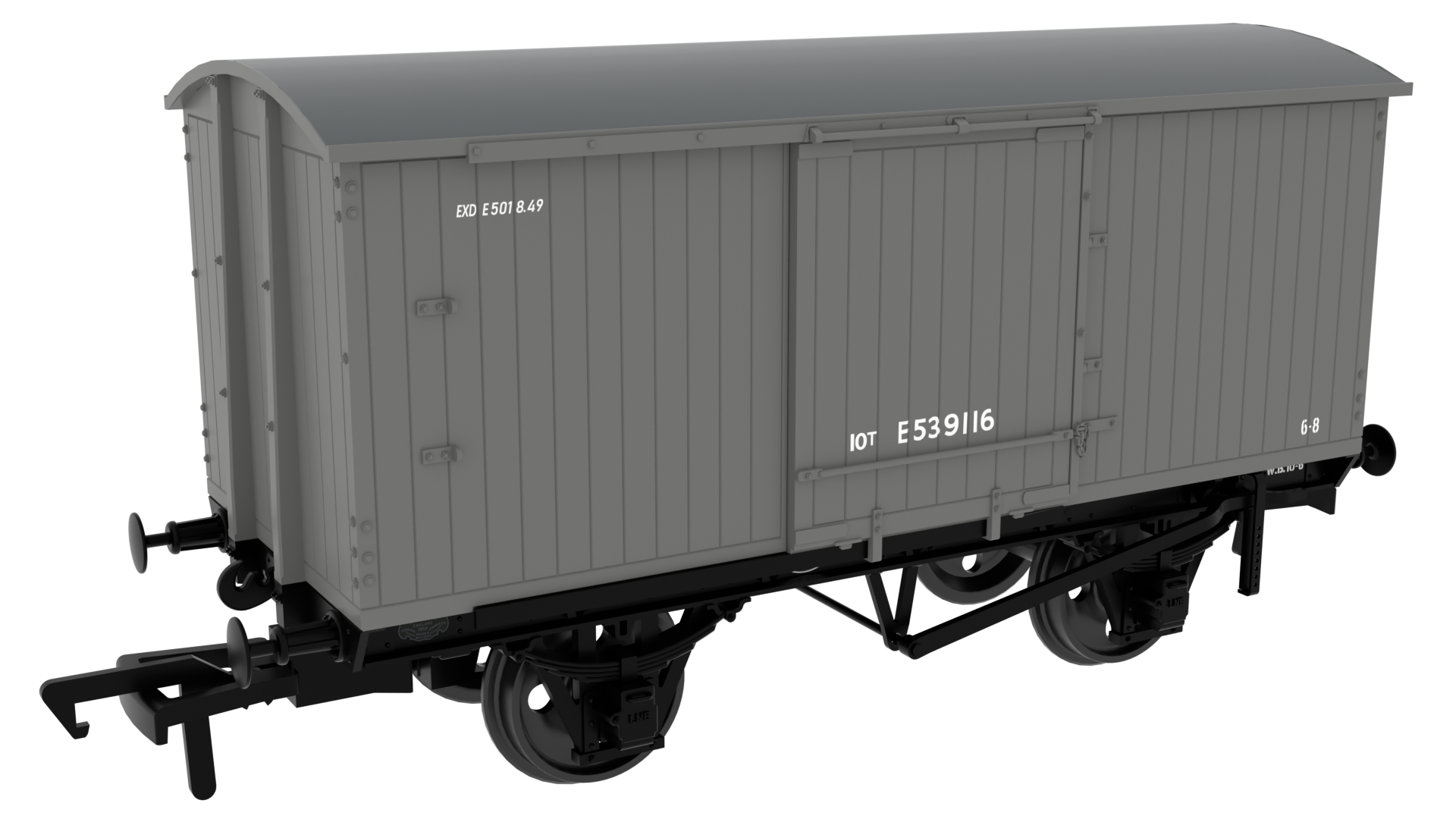
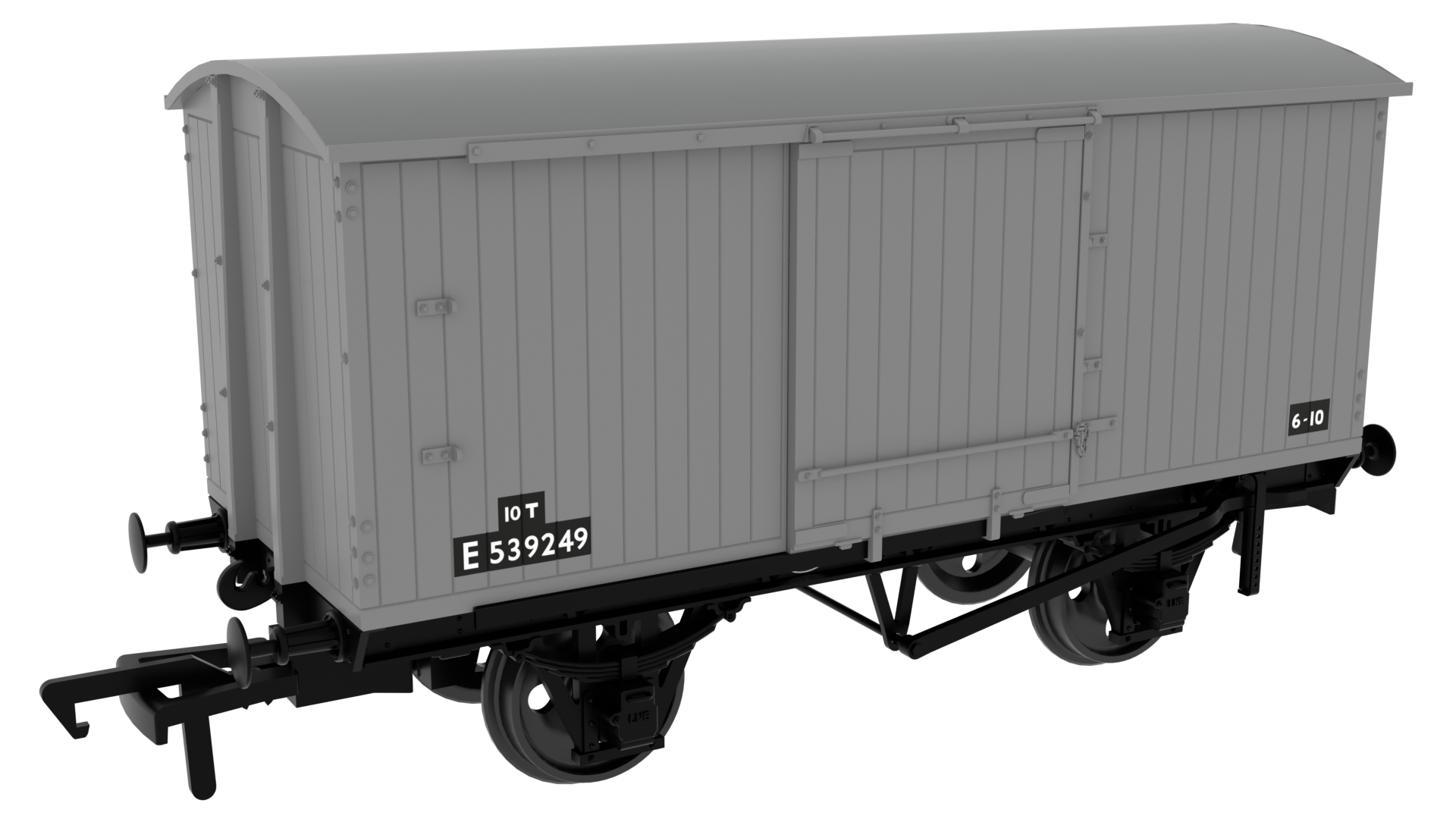
In 1910, the Great Central Railway introduced new designs for its covered vans. These would all be 19’ long, with a steel underframe and featured sliding doors on either side of the vehicle. The main difference between them was the type of brakes that they were fitted with. The unfitted variant of the design was assigned the Diagram number 17B.
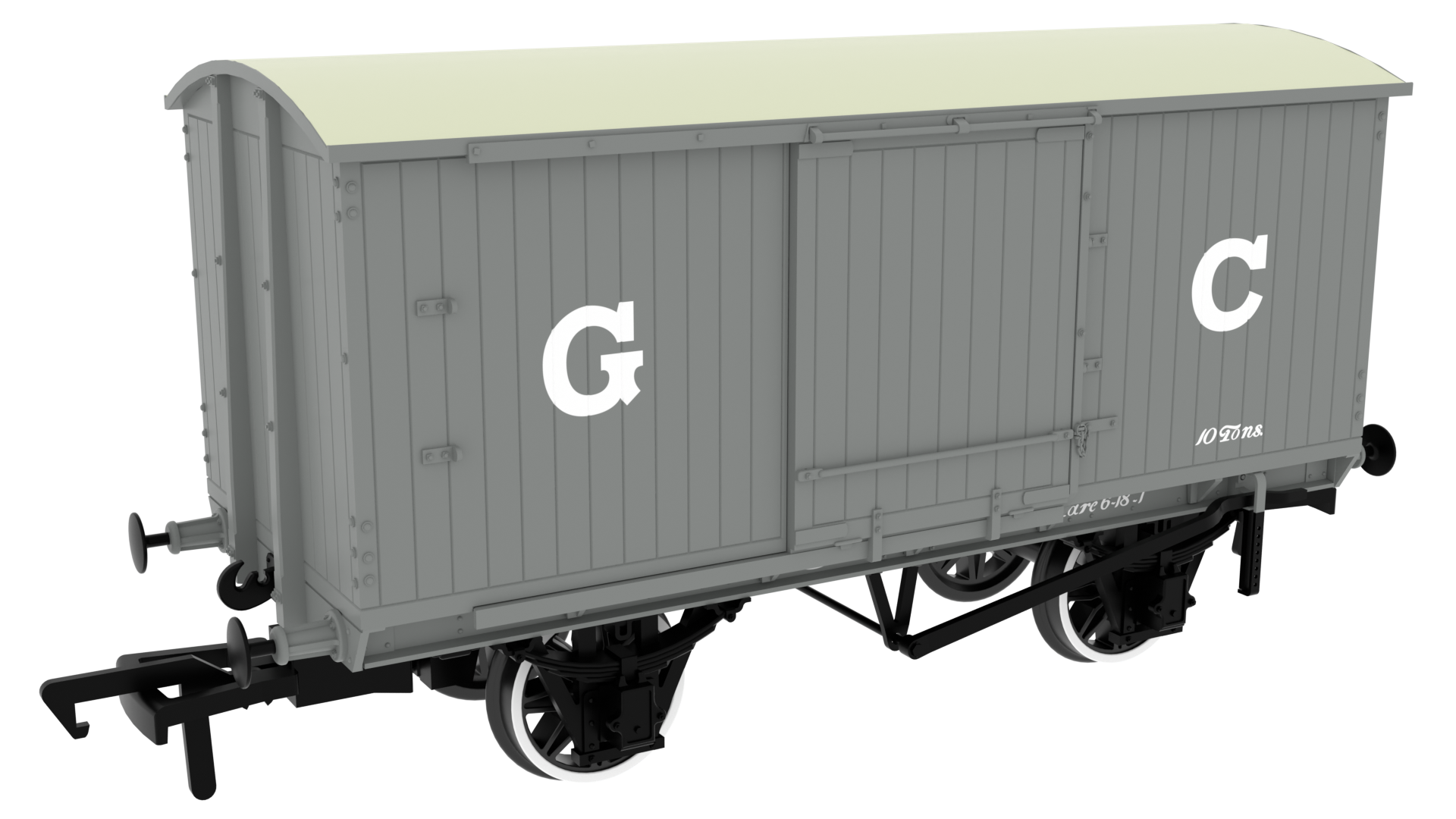
Developed as an all-purpose vehicle, the Dia. 17B would have been seen up and down the Great Central network and was used far beyond the reaches of the GCR. The Dia. 17B were not fitted with any roof or end vents, which may have limited their use for perishables.
As co-owners of the Cheshire Line Committee with the Midland Railway and the Great Northern Railway, the GCR had a vested interest in its continued success. This was a joint effort to be a thorn in the side of the London and North Western Railway.
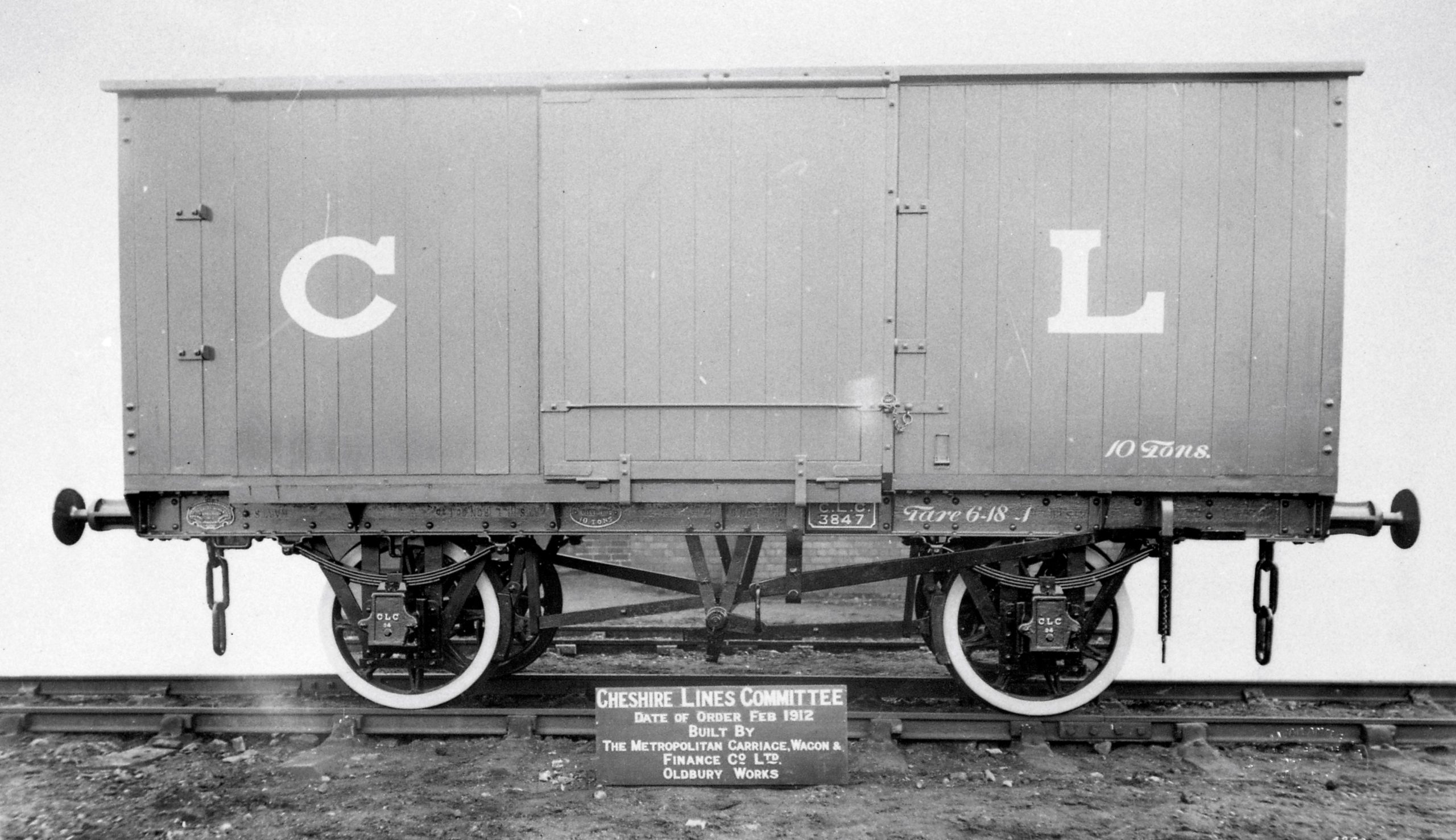
As such, the GCR was involved in designing a variety of rolling stock for the CLC and reused some of their own designs. The Dia. 17B covered van was one of these shared ideas
Two hundred and seventy were built by the Metropolitan Carriage, Wagon & Finance Co Ltd at their Oldbury Works for the CLC. When built, they lacked external end-stanchions; however, these were later added to many, making them identical to their GCR counterparts.
Unlike the majority of the country’s railways, the CLC avoided the grouping of the Big Four, retaining its own rolling stock into the late 1920s. In 1929, it was decided that the CLC’s wagon fleet would be divided up, with one third going to the LMS and two thirds to the LNER.
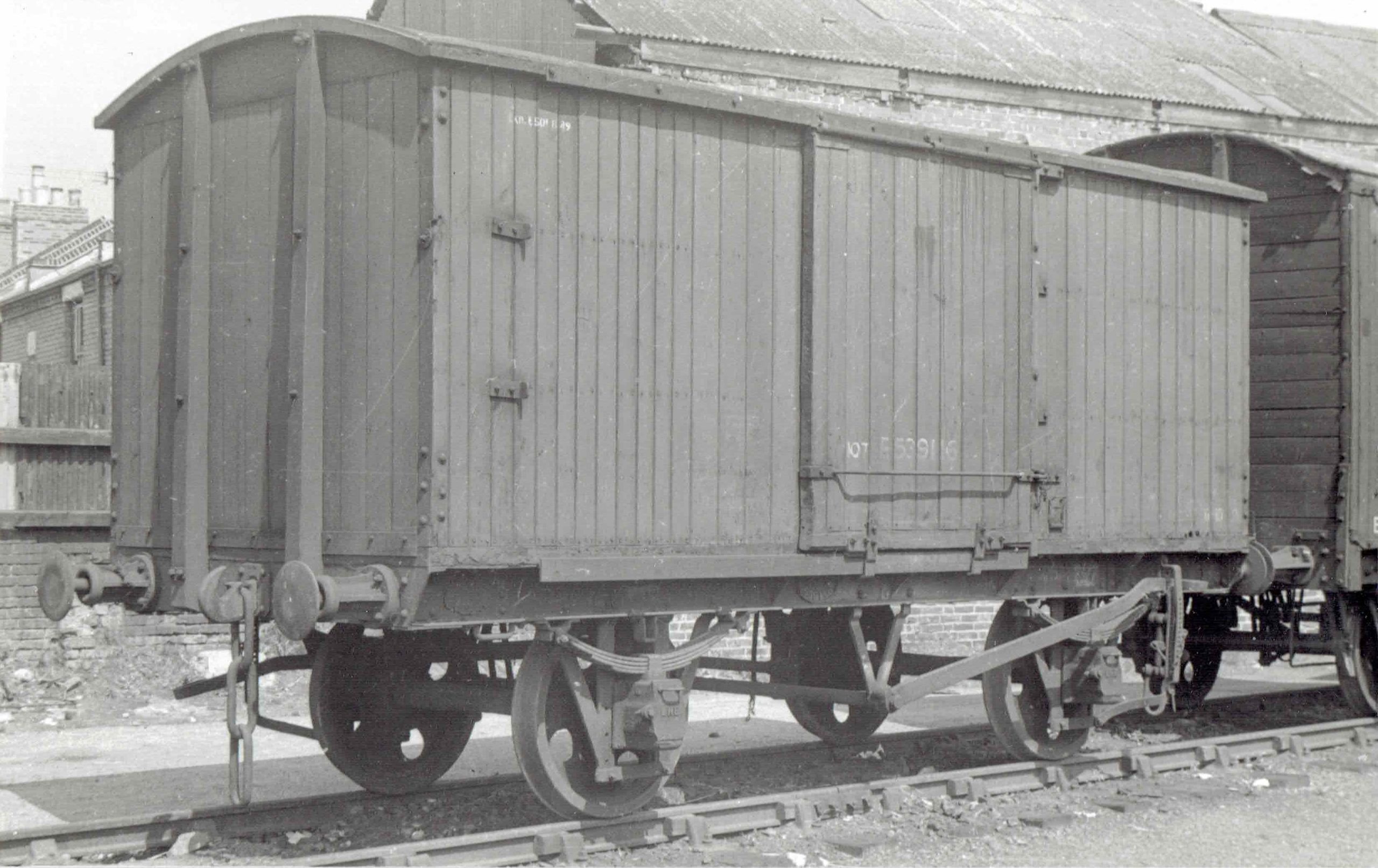
This led to the uncommon occurrence of a single diagram being split between two ‘big four’ companies. The LNER designated the ones they received as Diagram 43B.
Several survived through to nationalisation, and although one was preserved, this is an example that has been heavily modified into a windowed mess vehicle by BR.
Order your model now by clicking on the item below: